







Search Results for: freshness assessment
How Can You Tell If Coffee Beans Are Fresh? Seven Practical Ways to Assess from Visual Inspection to Pour-Over
Whether a cup of coffee tastes good or not, freshness is often the decisive factor. No matter which country the coffee beans come from, which factory roasts them, or which channel sells them, freshness preservation is always the top priority. Generally speaking, coffee beans are in their optimal drinking window within two weeks after roasting is completed; during this stage, the beans' aroma and taste both reach their peak. So how can ordinary consumers judge whether the coffee beans in their hands are fresh enough? This article starts from seven dimensions—looking, grabbing by hand, smelling, pressing by hand, biting, grinding, and brewing—and breaks down the identification methods one by one, helping you quickly make a judgment in daily purchasing and use, and grind out truly good-tasting coffee. [more…]
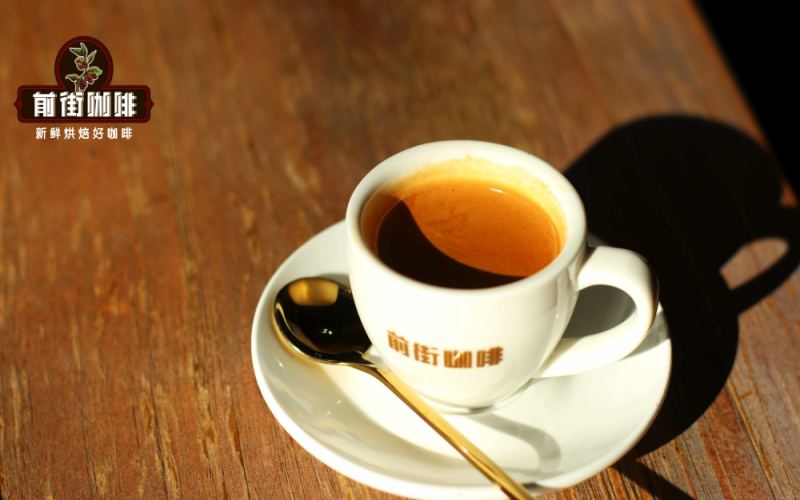
The Formation Principles and Assessment Methods of Espresso Crema: Which Factors Determine How Much Crema There Is
Espresso is the soul foundation of Italian coffee, and the golden, dense crema on top is often regarded as an important window for judging the extraction state. How exactly is crema produced? What connection does it have with coffee bean freshness, roast level, extraction degree, and variety? This article will focus on the formation mechanism of coffee crema, sort out one by one the key variables that affect the amount of crema, and combine different roast types and blend schemes to help you understand how to obtain richer and more stable espresso crema performance in a home or cafe environment. [more…]
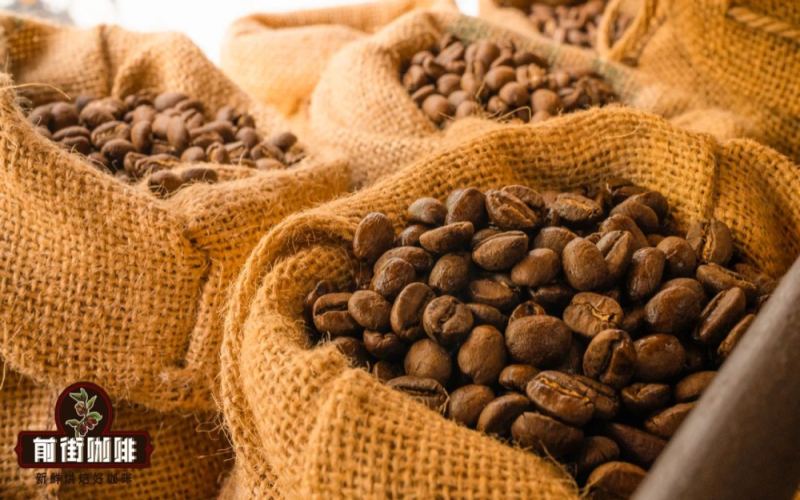
Does Coffee Bean Oiliness Mean It's Spoiled? A Complete Guide to Coffee Bean Storage Methods and Freshness Assessment
The surface of coffee beans taking on an oily sheen is a phenomenon that often confuses beginners—some worry the beans have absorbed moisture and spoiled, while others suspect they have been stored too long. In fact, oiliness is closely tied to the roast level of the coffee beans and cannot be directly equated with staleness. So what kind of oiliness is normal, and what signs indicate that coffee beans have actually absorbed moisture? From Front Street's perspective, this article breaks down the causes of coffee bean oiliness, how to judge moisture absorption, and how to properly store coffee beans through sealing, light protection, low temperatures, and other methods to keep the flavor lasting as long as possible. [more…]
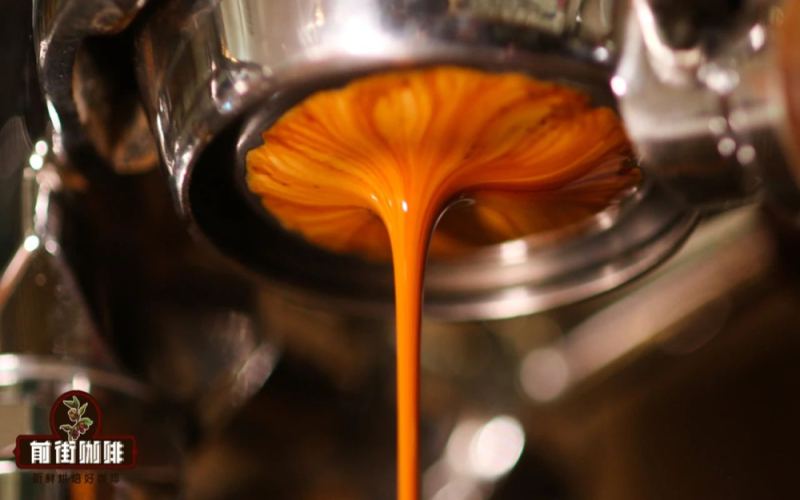
Home Coffee Bean Buying Guide: Freshness Assessment, Espresso and Pour-Over Everyday Bean Recommendation List
To enjoy a great cup of coffee at home, choosing the right coffee beans is the first step. Faced with countless varieties on the market, home users often don't know where to start. Starting from the core criterion of freshness, this article teaches you how to judge the condition of coffee beans by their roast date, and then, based on the different needs of espresso machines or pour-over equipment, recommends everyday beans suitable for long-term repurchase. The article also compiles several best-selling products from Front Street Coffee, covering classic espresso blends, Ethiopian Hualei SOE, and pour-over single origins such as Yirgacheffe, Kenya, Kaffa Forest, Panama Butterfly, and Colombia Huila, helping you quickly pinpoint the one that suits you. [more…]
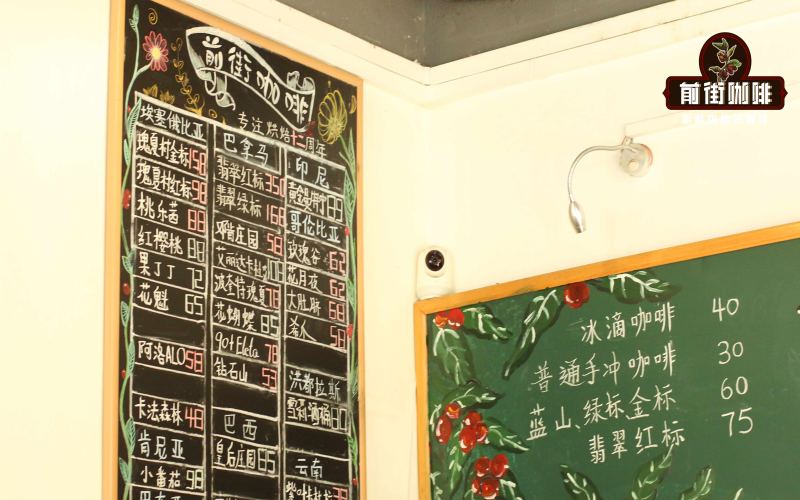
Coffee Bean Buying Guide: A Practical Four-Step Method from Freshness Assessment to Flavor Matching
Faced with a dazzling array of coffee beans, many enthusiasts often don't know where to start, and are even less clear about whether the beans they buy are actually fresh. Drawing on the practical experience of Front Street Coffee, this article systematically lays out four basic steps for choosing coffee beans: first learn to judge freshness, then pin down the roast level and region based on your preference for acidity or bitterness, next get started with pour-over in a cost-effective way, and finally gradually delve into specific origins. The article not only offers practical tips such as smelling the aroma, checking the roast date, and looking for a one-way degassing valve, but also recommends specific products like Front Street Red Cherry, Tarrazú, and Golden Mandheling for different tastes, helping you make a wiser choice the next time you buy. [more…]
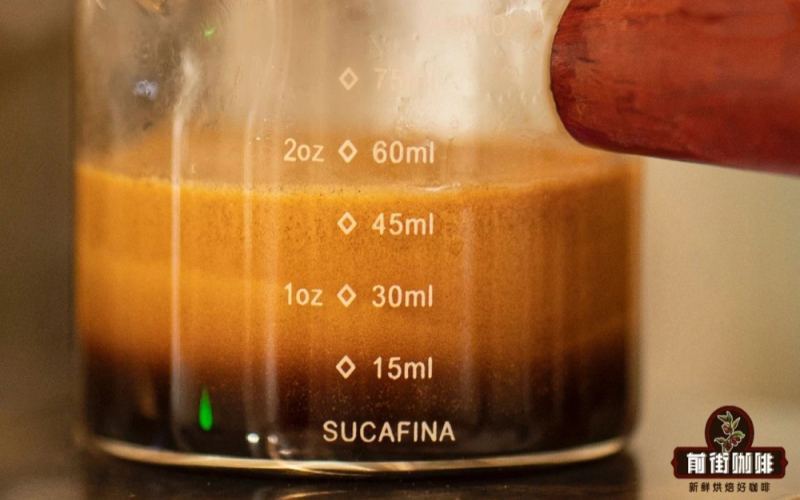
The Crema Layer of Espresso: Causes, Quality Assessment, and Coffee Bean Selection Guide
Crema is the signature characteristic of espresso. This layer of golden oil is composed of insoluble fats wrapping carbon dioxide, and can only be formed through the high-pressure extraction of an espresso machine. The richness of the crema is closely related to the coffee bean blend; Italians often add a small amount of Robusta to enhance the crema, but Robusta does not match Arabica in flavor. Both Front Street Classic Blend and Front Street Commercial Blend contain a small amount of Robusta—the former is suitable for home beginners, while the latter is suitable for commercial use in shops. However, more crema is not necessarily better. If the color is too light or too dark, the thickness too thin or too thick, or the crema clumps and appears rough, all of these can affect quality and latte art results. Beans that are too fresh can instead lead to unstable crema. [more…]

What is the golden crema on the surface of espresso? A comprehensive analysis from formation mechanism to extraction assessment
That golden layer of crema on the surface of an espresso, called Crema in Italian, is neither an artificially added fat nor simply coffee oil. This delicate foam is made of coffee's insoluble fats wrapping around carbon dioxide, and can only be extracted by an espresso machine under high pressure. This article will start from the principles of how crema forms, explain how to achieve ideal crema performance, and teach you to judge the extraction state of an Espresso by observing the thickness, color, texture, and fluidity of the crema, so as to solve common extraction problems. The article also retains Front Street brand's recommendations for bean selection and blending products. [more…]
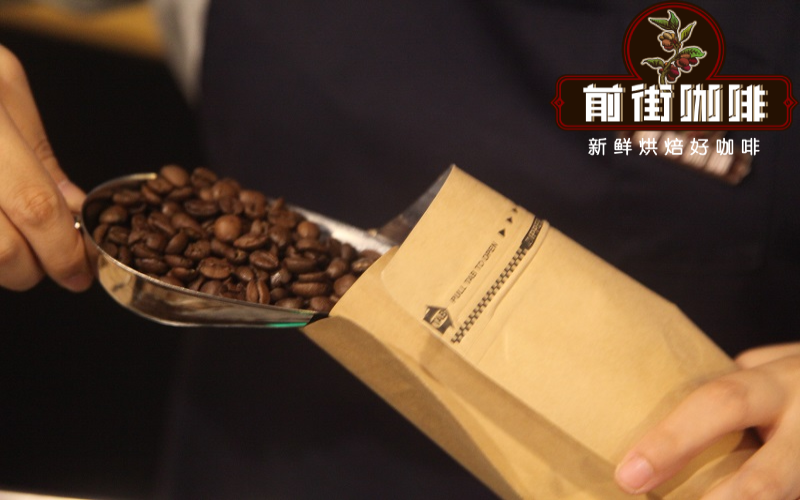
A Complete Guide to Espresso Blend Beans: Recipe Approaches, Freshness Assessment, and Four Front Street Coffee Blend Recommendations
To make a well-balanced espresso, choosing the right blend and judging freshness are both essential. Drawing on Front Street Coffee's practical experience, this article first explains how to tell whether coffee beans are fresh by their roast date, one-way degassing valve, and smell, then explains the concept of blended beans, the difference between pre-roast blending and post-roast blending, and the two main goals of blending: consistent flavor and balanced taste. It then introduces, one by one, Front Street's four espresso blends currently on sale—Sunflower Warm Sun, Specialty Blend, Commercial Blend, and Dark Cocoa Blend—covering their ratios, blending methods, flavor characteristics, and suitable scenarios, and finally uses Sunflower Warm Sun as an example to demonstrate the flavor performance of espresso extraction. [more…]
Espresso Blend Coffee Bean Buying Guide: Freshness Assessment, Blending Principles, and Four Front Street Coffee Recommendations
Faced with the dazzling array of espresso beans on the market, how can you tell whether a bag of beans is fresh? What exactly makes blended beans better? Front Street Coffee has systematically sorted out the key points for selecting and using espresso blend beans, from identifying freshness and the principles of blending to actual in-store output. The article introduces four espresso blend beans currently sold by Front Street, covering different flavor profiles and suitable scenarios, and includes a six-step espresso extraction demonstration using Sunflower Warm Sun Blend as an example, for the reference of coffee professionals and enthusiasts. [more…]
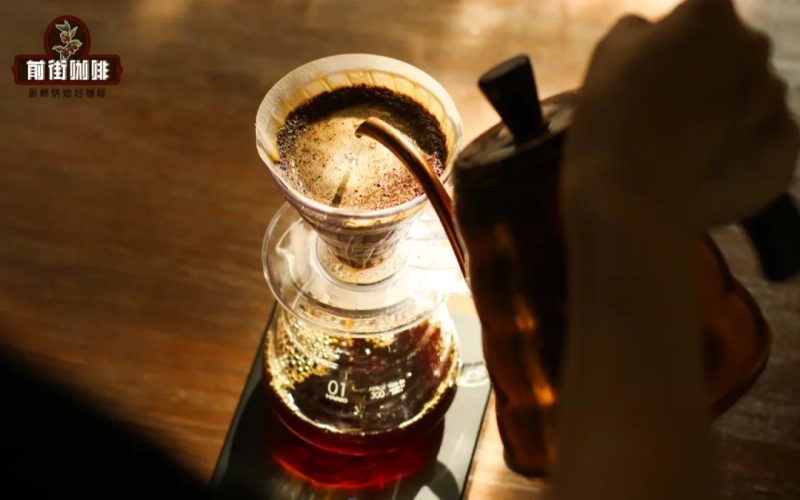
Pour-over coffee bed shape and brewing assessment: What do the bloom dome, bed height, foam color, and drawdown speed reveal?
When brewing pour-over coffee, the filter cup actually holds quite a few clues. The size of the dome that the coffee bed puffs up into during the blooming stage, and how well it retains water, can reflect the freshness of the coffee beans and the depth of the roast; whether the coffee bed can be lifted indicates the density of the coffee grounds; the color change of the foam on the surface can help us track the pouring path; and the speed of the drawdown is related to the coarseness of the grind, the density of the coffee bed, and fine particle clogging. As for the deep coffee bed pit that many beginners obsess over, it does not directly equate to a better-tasting cup; it is more just a reflection of the pouring method. In this article, Front Street will break down these readable pieces of information one by one during the brewing process, to help you have a few more bases for judgment when adjusting parameters. [more…]
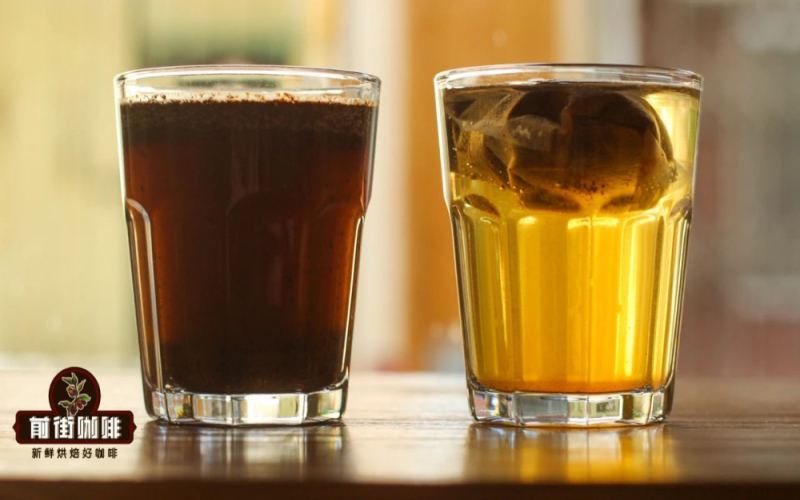
Can teabag coffee only be brewed hot or cold? A detailed guide to drip bag coffee brewing parameters and freshness assessment tips
Bagged coffee and drip bag coffee are often lumped together, but in fact each has its own characteristics in terms of operation and extraction principles. Bagged coffee only needs to be placed in a container with liquid added, and is suitable for both hot and cold, and can even be steeped in coconut milk or fruit wine for a different flavor; drip bag coffee is closer to a simplified version of pour-over, with requirements for water temperature, pouring technique, and freshness. This article will start with the extraction principle of bagged coffee, systematically sort out the brewing key points of drip bag coffee, common misconceptions, and methods for judging freshness, and attach Front Street Coffee's recommended drip bag selections by origin as well as complete brewing steps, to help coffee lovers consistently produce a good cup of coffee at home. [more…]
Comprehensive Guide to Green Coffee Beans: Quality Assessment, Crop Year Classification, Shipping Methods, and Storage Essentials
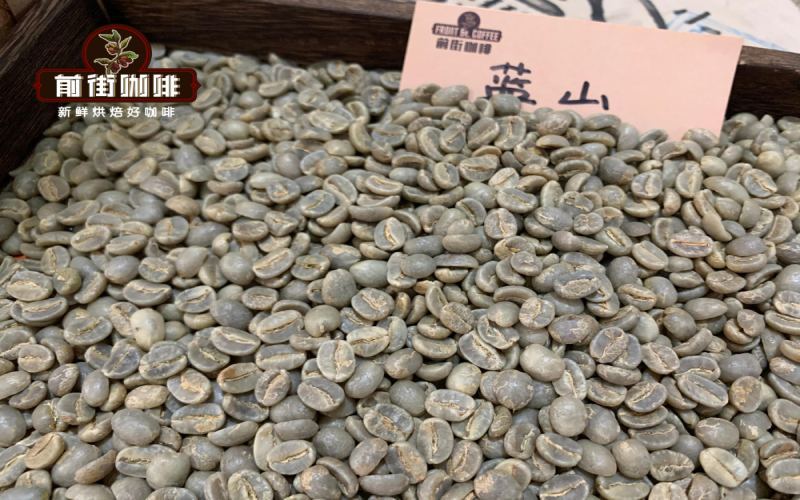
Green coffee beans are the starting point that determines the flavor of a cup of coffee. From color and luster to moisture content, every detail reveals the quality code of green beans; the terms "new crop," "current crop," "old crop," and "aged crop," named by harvest year, record how time shapes flavor. During transoceanic shipping, temperature and packaging methods also influence the fate of green beans—low-temperature containers, temperature-controlled storage, and vacuum aluminum foil bags are all effective means of extending good flavor. The ultimate preservation challenge points to a simple yet expensive answer: vacuum packaging followed by freezing. This article systematically organizes the complete knowledge of green beans from identification to storage, and includes practical advice from Front Street Coffee, taking you deeper into understanding this green seed. [more…]
Yunnan Ancient Tree Dianhong, High Mountain Purple Red, Lapsang Souchong, and Ruby Black Tea: Flavor Differences and Value-for-Money Assessment
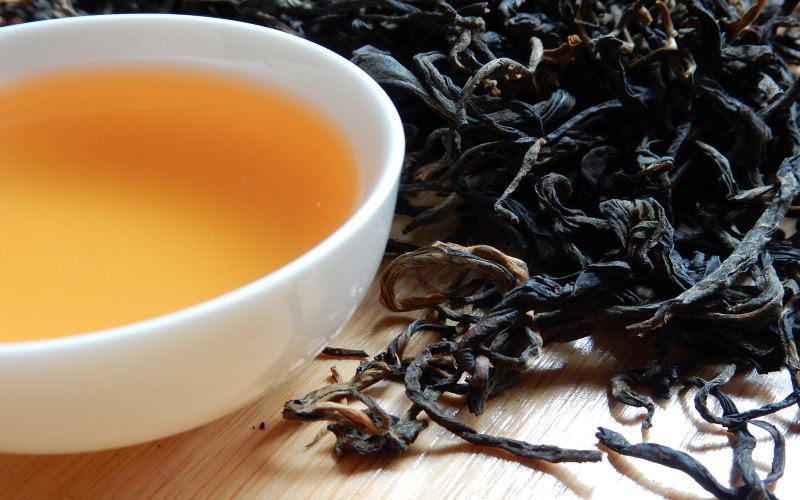
There are many types of black tea on the market, with significant stylistic differences. This article focuses on five distinctive black teas—Taiwan Ruby, Traditional Superior Lapsang Souchong, Qizhong Lapsang Souchong, Yunnan Ancient Tree Black Tea series, as well as High Mountain Purple Black Tea and Wild Black Tea—systematically reviewing their origins, processing characteristics, and flavor profiles. From the mint aroma of TTES No. 18 to the pine smoke aroma of Tongmuguan, from the honey charm of old trees in Lincang, Yunnan, to the perilla note of purple tea, each tea has clear recognizability. At the same time, by incorporating product information from Front Street Coffee, we help coffee and tea enthusiasts make choices that better match their taste and budget when purchasing. [more…]

Optimal Flavor Temperature Analysis for Milk Coffee: Latte Milk Foam Steaming Principles and Fusion Degree Assessment Standards
The key to a delicious latte lies in the fusion state of milk and coffee and the temperature when it enters the mouth. This article will systematically explain the scientific principles of milk foaming, the factors affecting the fusion degree of milk foam and coffee, and reveal the differences in milk foam durability at different frothing temperatures through experimental data. At the same time, it provides cause analysis and solutions for common problems in daily operation, such as milk foam not fusing and milk foam floating up during latte art. The article also combines the practical experience of Front Street Coffee to explain why around 60°C is the optimal flavor temperature range for milk coffee, and how to judge whether the milk foam fusion degree is up to standard. [more…]
Assessing Tea Quality from the Brewed Leaves: Practical Identification Tips and Buying Guide
Many people throw away the brewed tea leaves after drinking their tea, but these unfurled leaves actually hold a wealth of quality information. By observing the bubbles, scorch marks, degree of unfurling, elasticity, color, and impurities of the brewed leaves, you can roughly judge the picking and processing level of the tea without even tasting it. This article systematically sorts out the typical characteristics of brewed leaves for various types of tea, including the "frog back" of rock tea, the scorch spots of yellow tea, and the silky vein patterns of black tea, and offers purchasing advice to help you pick good tea with more confidence in a tea shop. [more…]
How Is the Ethiopian Sidama G1 Grade Assessed? A Full Analysis of the Relationship Between Huakui Coffee and the Guji Region
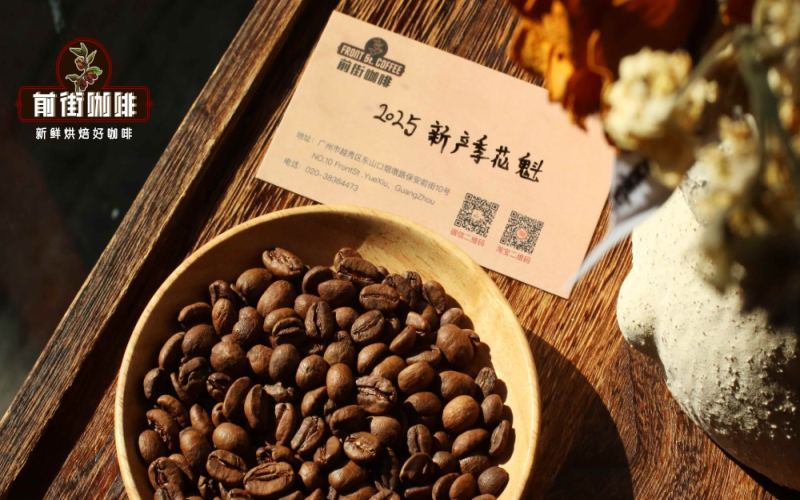
Sidamo is one of Ethiopia's most renowned specialty coffee regions, sharing equal fame with Yirgacheffe yet often overshadowed by the latter's halo. Starting from Sidamo's geographical environment and flavor characteristics, this article traces the independent journey of the Guji region, tells the complete story of Huakui coffee from TOH champion to domestic stardom in detail, and provides an in-depth analysis of Ethiopia's green coffee grading system—from the defect bean counting of the CLU era to the ECX's dual-dimensional scoring of physical and cup quality—helping readers understand the true meaning of the G1 grade. It also includes Front Street Coffee's brewing parameter recommendations for the 2025 new-crop Huakui, making it suitable for enthusiasts who want to gain a deeper understanding of the Ethiopian coffee system. [more…]
Analysis of the Standard Espresso Extraction Process: Parameter Control, Flow Rate Assessment, and Front Street Coffee Blend Recommendations
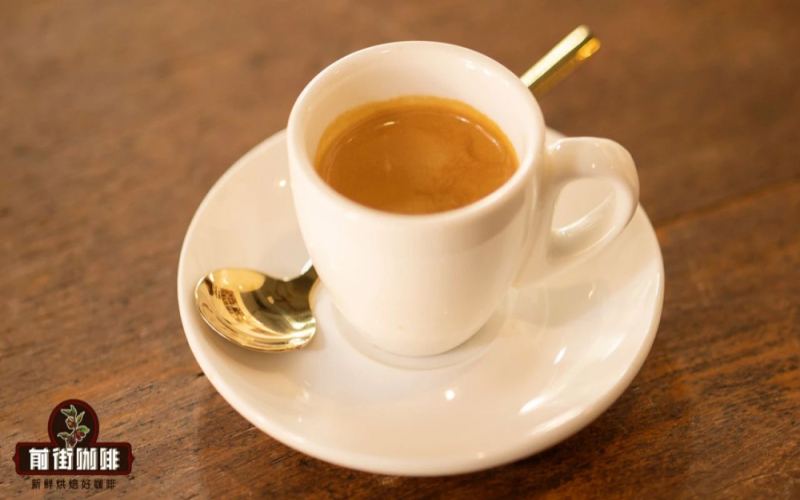
Espresso extraction may seem simple, but in reality it involves the coordination of multiple variables such as dose, ratio, time, flow rate, pressure, and water temperature. This article systematically reviews internationally accepted technical standards and Front Street Coffee's practical understanding of brewing parameters, analyzing each extraction factor that affects espresso flavor one by one, helping readers identify problems that may arise when the flow rate is too fast or too slow and the direction for adjustment. It also introduces in detail the various espresso blend coffee beans and SOE products currently sold by Front Street Coffee, including recipe concepts, flavor characteristics, and suitable scenarios, and provides practical advice on roast dates and optimal flavor periods for daily coffee bean purchases. [more…]
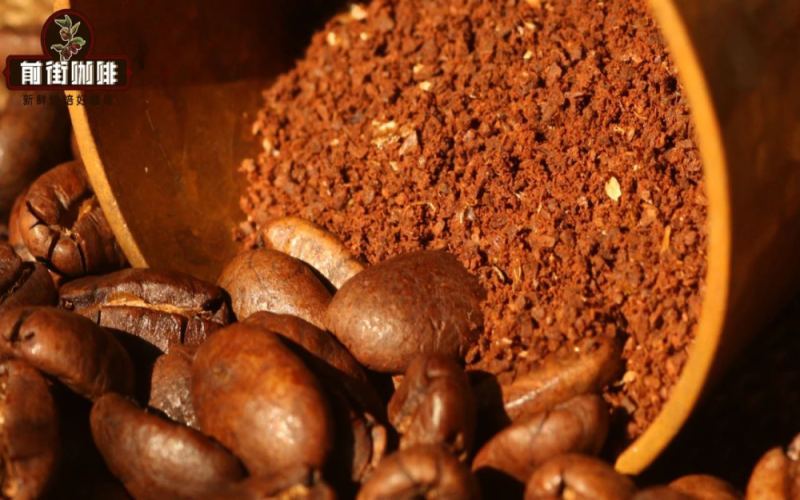
Freshly Ground Coffee Beans vs. Pre-Ground Coffee Powder: How to Choose? A Full Analysis of Flavor Differences, Buying Tips, and Storage Methods
In coffee consumption, a common yet crucial choice is this: should you buy whole coffee beans, or directly purchase pre-ground coffee powder? This decision directly affects the flavor performance, convenience, and shelf life of the coffee. This article will systematically compare the pros and cons of coffee beans and coffee powder from the perspectives of aroma retention, oxidation rate, and freshness assessment, and offer purchasing suggestions for different scenarios. At the same time, the article will also share the proper storage methods for coffee beans and coffee powder, helping you find a balance between convenience and quality, so that every cup of coffee can present its ideal state. [more…]
The Essential Guide to Milk Frothing for Specialty Coffee: Milk Foaming Principles, Assessing Integration, and Optimal Temperature Explained
Milk foam is the soul of a latte and a cappuccino. In a proper latte, the milk foam should be thin and fine-textured, with a glossy surface, and go down smoothly. Drawing on Front Street Coffee's hands-on experience, this article systematically sorts out the basic principles of milk steaming, answers the most common questions when steaming milk—why the foam doesn't incorporate, and why the foam floats on the surface during latte art—and gives criteria for judging the degree of incorporation. At the same time, through comparison experiments at different temperatures, the article explains what temperature is most suitable for heating milk and why the foam rapidly collapses after exceeding 70°C. Whether you are a complete beginner or an enthusiast hoping to refine your latte art skills, you will find practical reference here. [more…]
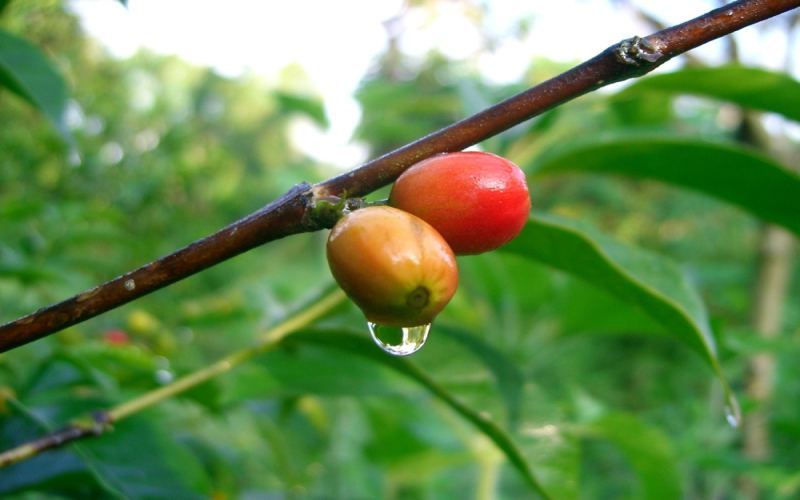
Kenya Coffee Full Analysis: From SL28 and SL34 Varieties to Six Major Regions and the K72 Washed Processing Method
Kenya is located in the equatorial zone of East Africa, bordering the Indian Ocean to the east, Ethiopia to the north, and Tanzania to the south, making it a pivotal specialty coffee-producing country in Africa. Its coffee is world-renowned for its bright fruit acidity, full body, and distinctive berry notes. This article systematically reviews Kenya's coffee-producing regions, variety evolution, and processing techniques, covering the characteristics of major varieties such as SL28, SL34, and Ruiru 11, detailing the terroir differences among six major producing regions including Nyeri and Kirinyaga, and introducing the Kenyan-style 72-hour washed processing method as well as Front Street Coffee's brewing recommendations, providing coffee enthusiasts with a complete knowledge map of Kenyan coffee. [more…]